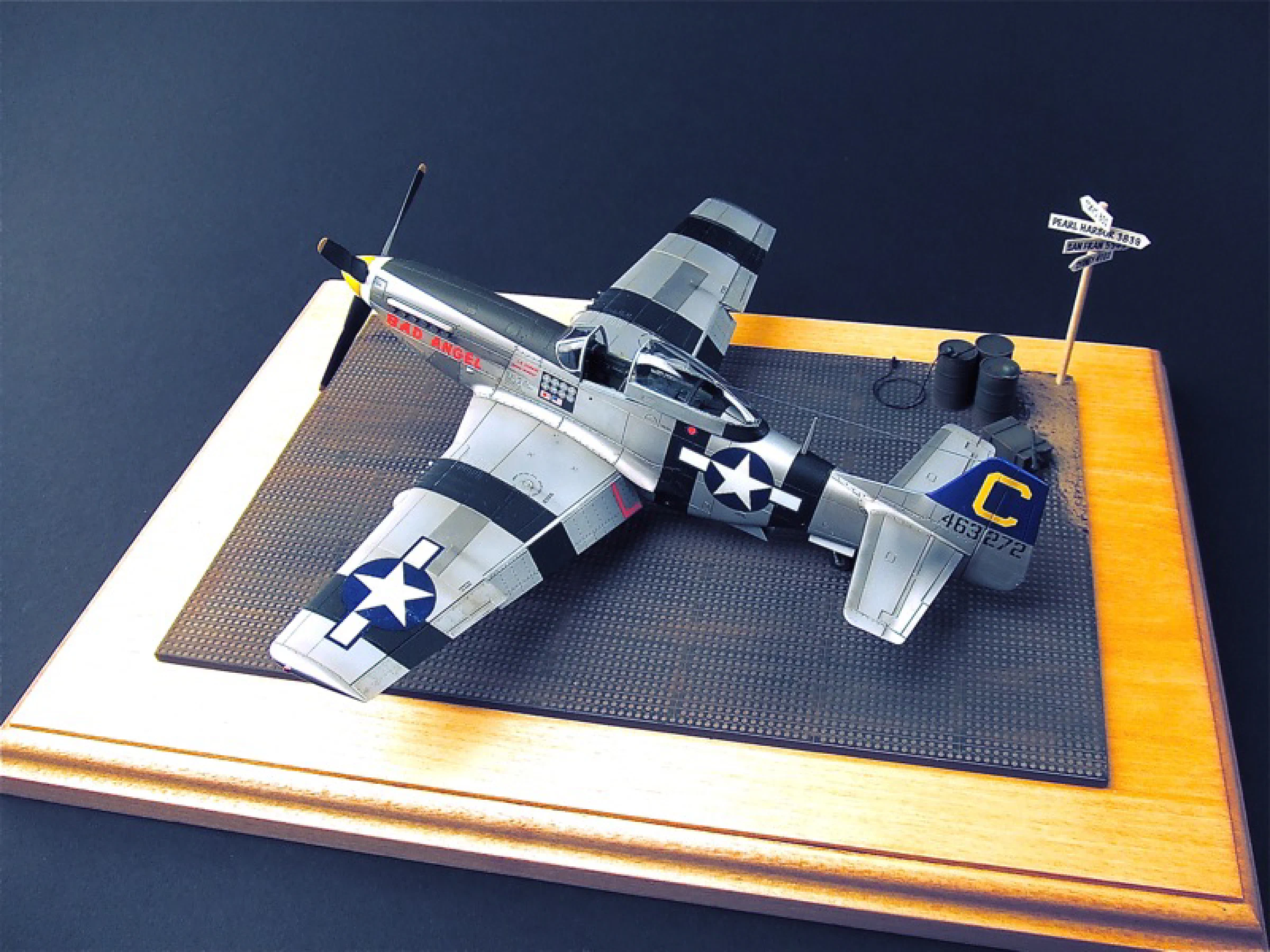
North American P-51D Mustang
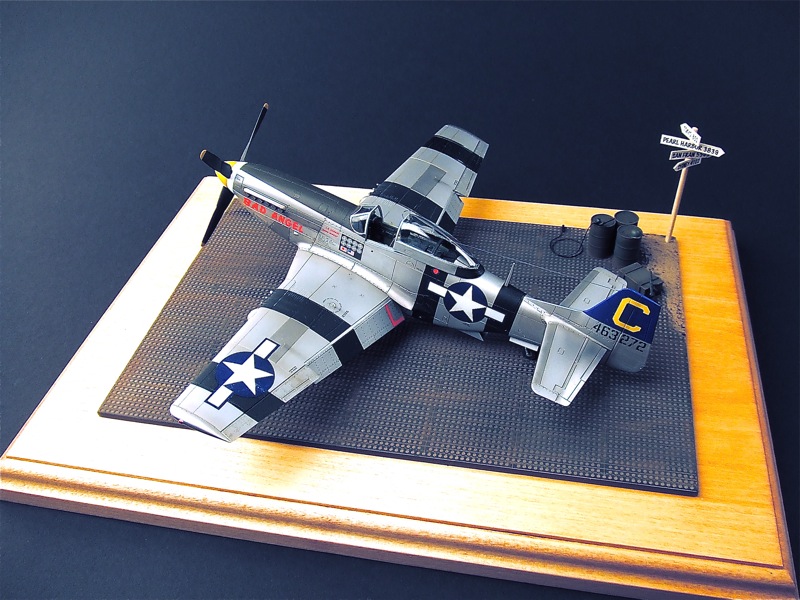
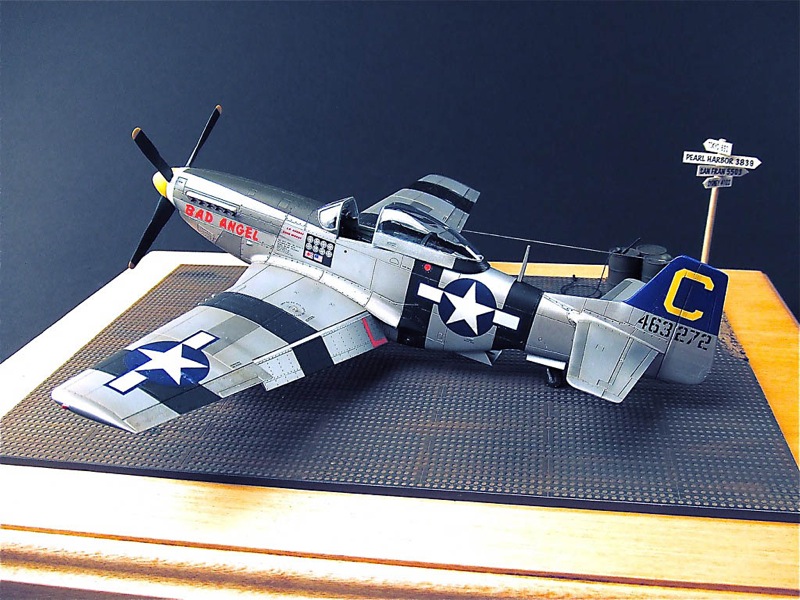
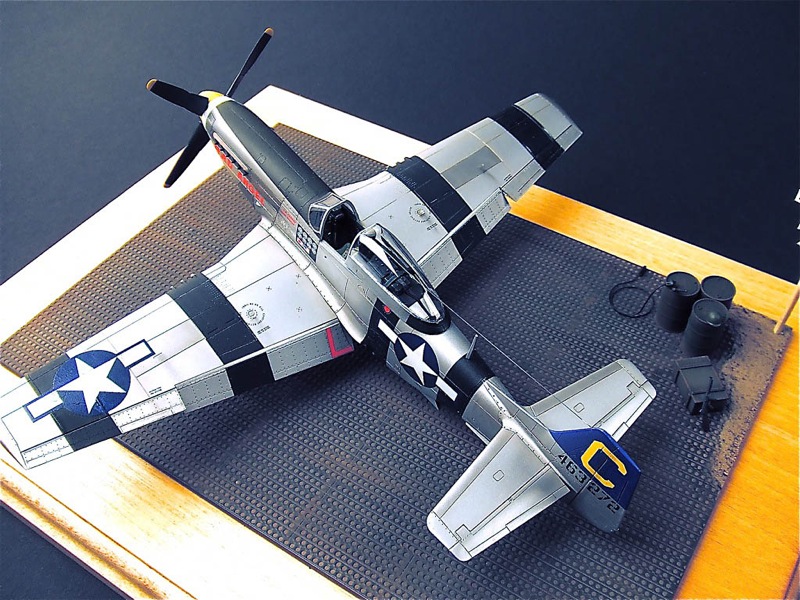
Build Notes
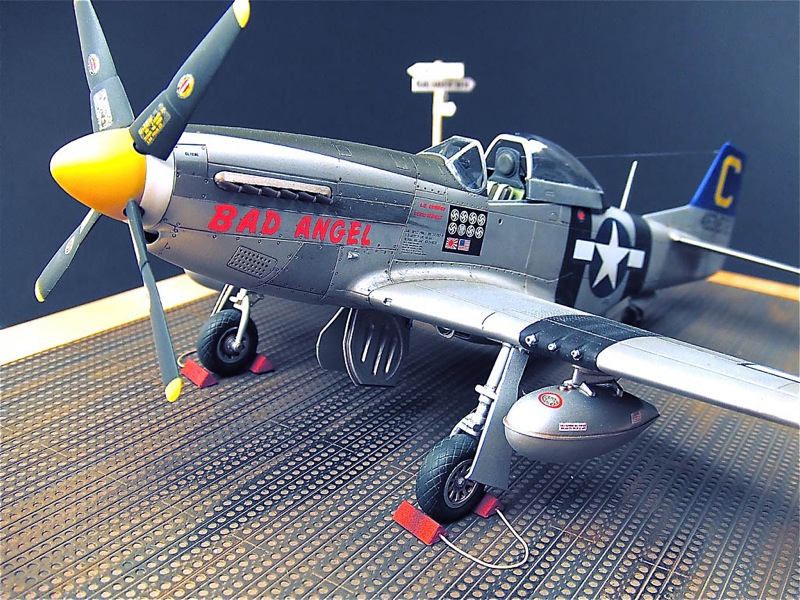
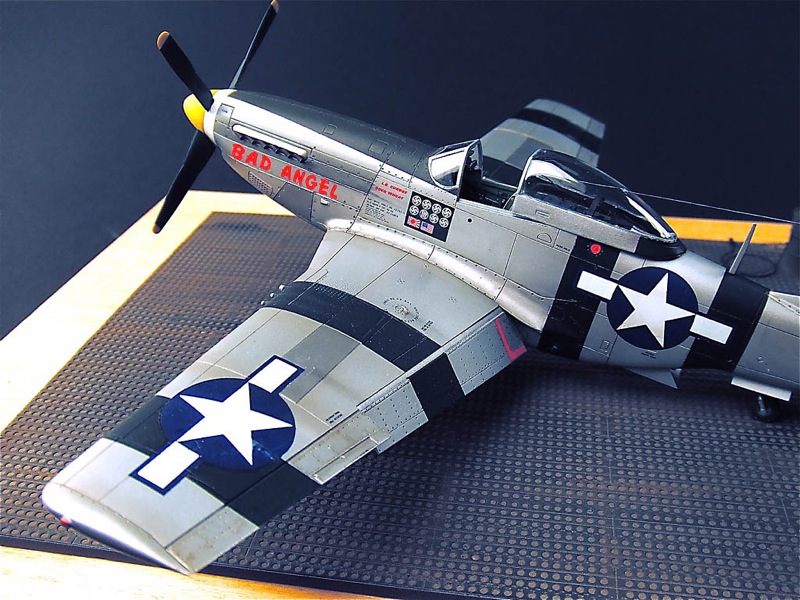
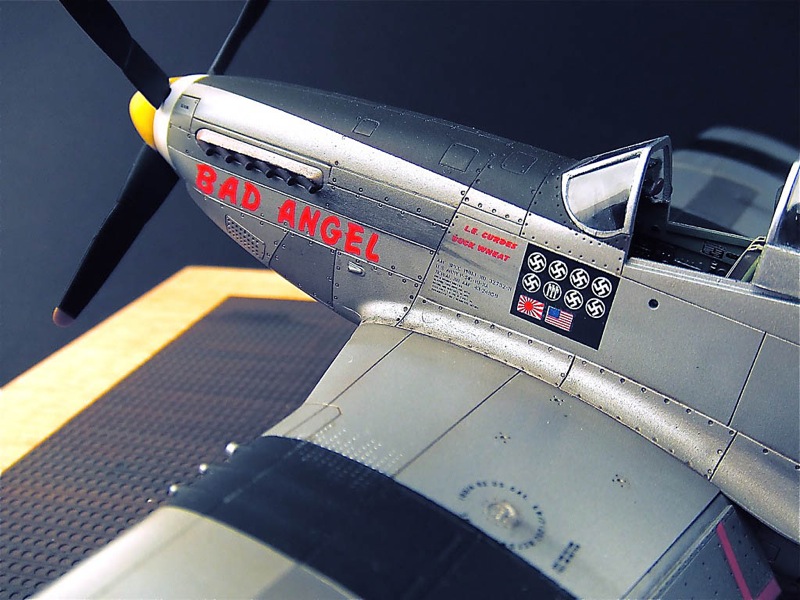
The North American P-51 Mustang was arguably the most influential Allied fighter of World War II, fundamentally changing the course of the strategic bombing campaign over Europe. Originally designed in 1940 to a British specification using a low-altitude Allison engine, the aircraft was truly revolutionized when mated with the legendary British Rolls-Royce Merlin engine (built under license by Packard) in the P-51B and C variants. This engine upgrade, combined with its highly efficient laminar flow wing design and the addition of massive internal fuel capacity, gave the Mustang the unprecedented ability to escort heavy Boeing B-17 and Consolidated B-24 bombers deep into German territory and back. Capable of exceeding 430 mph, heavily armed with up to six .50-caliber machine guns in its definitive bubble-canopy P-51D variant, and possessing excellent high-altitude performance, the Mustang successfully systematically destroyed the German Luftwaffe in the skies over Europe, earning its status as a legendary icon of American aviation.
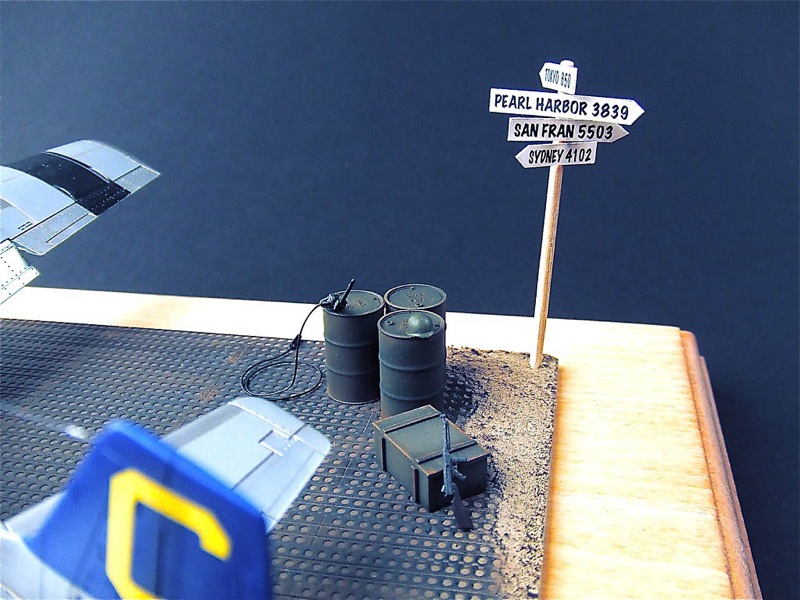
In the Pacific Theater of Operations (PTO), the P-51 Mustang transitioned from a regional tactical asset in China, Burma, and the Philippines into a pivotal strategic weapon during the final months of the war. Following the bloody capture of Iwo Jima in early 1945, the USAAF’s VII Fighter Command deployed P-51D squadrons to the island specifically to launch Very Long Range (VLR) missions. Flying grueling, 1,500-mile round-trip overwater flights, Mustang pilots acted as high-altitude escorts for Boeing B-29 Superfortresses striking the Japanese home islands, shocking Imperial Japanese interceptors during their first joint mission over Tokyo on April 7, 1945. Due to the vast distances and total absence of visual landmarks over the open ocean, the single-engine fighters routinely relied on a designated B-29 “navigator” to guide them to and from their targets. When not protecting the bomber streams, PTO Mustangs aggressively utilized their heavy firepower and bomb loads to conduct low-level strafing runs and fighter-bomber sweeps against Japanese airfields, transportation networks, and coastal shipping, systematically neutralizing the remnants of Japan’s air defenses before the August 1945 surrender.